

How Many States in the US? A Deep Dive into the American Union
One of the most frequently asked questions about the United States is simple yet important: how many states in the US? The answer might appear straightforward at first, but understanding the significance of those states requires a deeper look into their history, function, and diversity. In this comprehensive article, we’ll not only answer the core question but also explore how the union of states forms the backbone of American governance and culture.
The Simple Answer: 50 States
What Are the 50 States of the US?
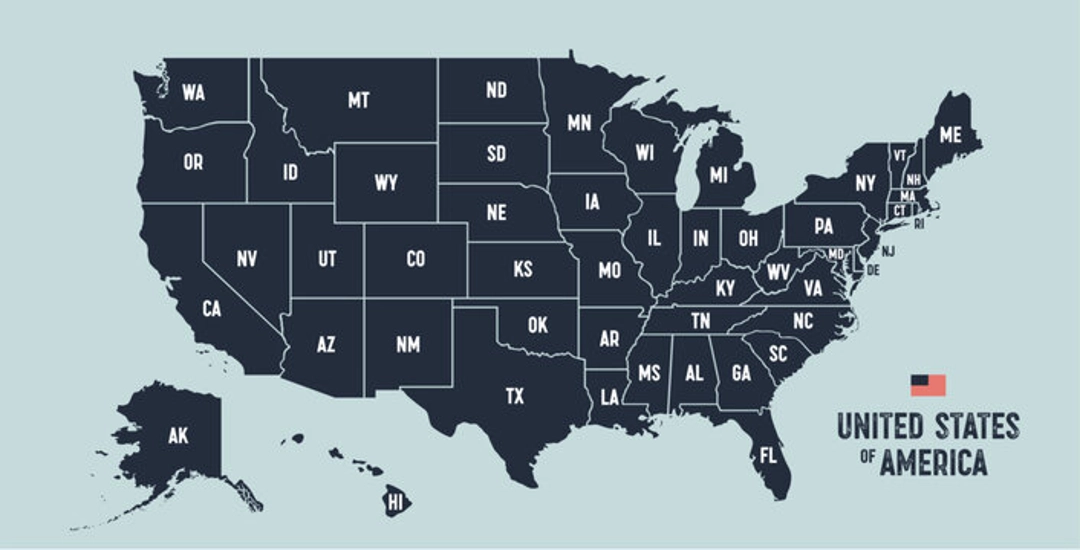
As of today, there are 50 officially recognized states in the United States of America. These range from Alaska in the northwest corner of North America to the tropical islands of Hawaii in the Pacific Ocean. Each state has its own government, constitution, and laws, all operating within the broader structure of the federal government.
A List of All 50 US States
To fully appreciate the magnitude of the question, how many states in the US, let’s list them in alphabetical order:
-
Alabama
-
Alaska
-
Arizona
-
Arkansas
-
California
-
Colorado
-
Connecticut
-
Delaware
-
Florida
-
Georgia
-
Hawaii
-
Idaho
-
Illinois
-
Indiana
-
Iowa
-
Kansas
-
Kentucky
-
Louisiana
-
Maine
-
Maryland
-
Massachusetts
-
Michigan
-
Minnesota
-
Mississippi
-
Missouri
-
Montana
-
Nebraska
-
Nevada
-
New Hampshire
-
New Jersey
-
New Mexico
-
New York
-
North Carolina
-
North Dakota
-
Ohio
-
Oklahoma
-
Oregon
-
Pennsylvania
-
Rhode Island
-
South Carolina
-
South Dakota
-
Tennessee
-
Texas
-
Utah
-
Vermont
-
Virginia
-
Washington
-
West Virginia
-
Wisconsin
-
Wyoming
Each of these states contributes its unique culture, landscape, and political weight to the union.
The History Behind the 50 States
From 13 Colonies to 50 States
The original United States was formed from 13 British colonies along the east coast, which declared independence in 1776. Over the following centuries, more territories were added through purchases, annexations, treaties, and sometimes conflicts, gradually expanding the number of states.

For example:
-
Louisiana Purchase (1803) added vast territory from France.
-
Annexation of Texas (1845) brought in a former independent republic.
-
Alaska (1959) was purchased from Russia.
-
Hawaii (1959) was once a sovereign kingdom before becoming a state.
Understanding how many states in the US means tracing over two centuries of expansion and negotiation.
The Most Recent States: Alaska and Hawaii
Both Alaska and Hawaii became states in 1959, making them the most recent additions to the union. Alaska became the 49th state on January 3, 1959, and Hawaii followed as the 50th on August 21, 1959.
Are There More Than 50 US Territories?
The Role of US Territories
In discussions around how many states in the US, people often confuse states with territories. The US also governs several unincorporated territories that are not states but are under US jurisdiction. These include:
-
Puerto Rico
-
Guam
-
American Samoa
-
U.S. Virgin Islands
-
Northern Mariana Islands
These territories have local governments but do not have full voting rights in the federal system. Residents are US citizens (except in American Samoa), but they cannot vote in presidential elections unless they reside in a US state.
Could Puerto Rico Become the 51st State?
Puerto Rico has held multiple referendums regarding statehood. Although many residents favor statehood, Congress must approve any change in status. If granted, Puerto Rico could potentially become the 51st state, altering the long-standing answer to how many states in the US.
The Significance of Each State
Cultural and Economic Diversity
Every state brings a unique flavor to the national identity. Consider:
-
California is known for tech innovation, Hollywood, and agriculture.
-
Texas is a powerhouse of energy and culture.
-
New York hosts the nation’s largest city and financial hub.
-
Alaska offers unparalleled natural resources and wilderness.
-
Hawaii represents Pacific Island culture within the US framework.
Understanding how many states in the US is more than counting — it’s recognizing the tapestry of traditions, economies, and geographies.
Political Representation
Each state, regardless of population size, is guaranteed two U.S. Senators, ensuring equal representation in the Senate. However, the House of Representatives is based on population, meaning larger states like California have significantly more representatives than smaller ones like Wyoming or Vermont.
Educational Insight: Teaching How Many States in the US
Elementary School Learning
Children in the US are typically taught all 50 states by 5th grade. Tools like the “Fifty Nifty United States” song, puzzle maps, and flashcards are popular learning aids.
State Capitals and Geography
In addition to asking how many states in the US, students are also expected to learn each state’s capital city. For instance:
-
Capital of New York: Albany
-
Capital of California: Sacramento
-
Capital of Texas: Austin
Fun Facts About US States
The Largest and Smallest States
-
Largest by Area: Alaska (663,267 square miles)
-
Smallest by Area: Rhode Island (1,034 square miles)
Most and Least Populated States
-
Most Populated: California (over 39 million people)
-
Least Populated: Wyoming (under 600,000 people)
Unique State Facts
-
Florida is the flattest state.
-
Colorado has the highest average elevation.
-
Kentucky is home to the world-famous Kentucky Derby.
-
Massachusetts is known for the Boston Tea Party and American Revolution history.
These facts help bring the dry number behind how many states in the US to life with flavor and interest.
How Many States in the US? It’s Still 50 and Counting (Maybe)
Understanding How Many States in the US offers more than just a number. It unveils the intricate political, historical, and cultural threads that bind the United States together. From the original 13 colonies to the far-reaching 50th state of Hawaii, the country has evolved into a vast and diverse republic.
Conclusion: More Than a Number—50 Pillars of the Union
To answer the core question: there are 50 states in the US. But behind that number lies a fascinating journey of expansion, conflict, negotiation, and identity. Every state—from the sun-drenched beaches of Florida to the snowy peaks of Montana—plays a role in the complex story of America.
As discussions about future statehood for territories like Puerto Rico continue, and with American influence spreading far and wide, the number might one day change. But for now, when asked how many states in the US, the answer is a proud and definitive 50.