

The Jerusalem Post A Deep Dive into Israel’s Leading English-Language Newspaper
Introduction
When it comes to reliable news about Israel and Jewish communities worldwide, one publication consistently stands out: the Jerusalem Post. For over 90 years, this English-language newspaper has been at the forefront of reporting on Israeli politics, Middle Eastern affairs, Jewish diaspora issues, and international news that affects the Jewish world. With a readership that spans continents and political spectrums, the Jerusalem Post holds a unique position in global journalism.
In this in-depth exploration, we’ll cover the paper’s history, its evolution into a digital powerhouse, its editorial stance, major controversies, and its influence on journalism and political discourse. Whether you’re a casual reader or a media analyst, this article provides a comprehensive view of why the Jerusalem Post continues to be a vital media institution.
The Origins and Evolution of the Jerusalem Post
Foundation and Early Years
The Jerusalem Post was first published on December 1, 1932, under the name The Palestine Post. It was established by Gershon Agron, an American-born journalist and passionate Zionist who sought to create an English-language newspaper for British Mandate Palestine. The paper aimed to provide accurate news to English-speaking Jews and non-Jews worldwide who supported the Zionist cause.
In 1950, two years after the establishment of the State of Israel, the paper was renamed the Jerusalem Post. The name change symbolized a shift in focus from Mandate-era reporting to coverage of an independent Israeli state and its rapidly evolving society.
Expansion and Influence
During the mid-20th century, the Jerusalem Post grew into a major force in Israeli media. It became the go-to source for foreign diplomats, journalists, and anyone interested in Israeli affairs. Over time, the paper developed an international readership and began distributing print editions across Europe and North America.
As Israel’s political and military influence grew, so did global interest in the Jerusalem Post. By the 1980s, it had become a widely quoted source in global news outlets and academic circles.
The Digital Transformation
Embracing the Online Era
Like many legacy newspapers, the Jerusalem Post faced the challenge of adapting to the digital age. In the late 1990s and early 2000s, it began building a robust online presence. The website (www.jpost.com) now attracts millions of monthly readers from across the globe.
Today, the digital platform offers:
-
Real-time news updates
-
In-depth analyses
-
Opinion pieces from renowned columnists
-
Special sections on defense, Middle East geopolitics, and Jewish world affairs
This digital shift allowed the Jerusalem Post to maintain its relevance among younger audiences and international readers.
Mobile and Social Media Outreach
In recent years, the Jerusalem Post has successfully expanded into mobile and social platforms. With active presences on Twitter, Facebook, Instagram, and YouTube, the publication shares breaking news, live coverage of events, and editorial insights in formats suitable for modern digital consumption.
This accessibility has played a critical role in maintaining the brand’s visibility and prestige in a competitive global media landscape.

Editorial Stance and Content Diversity
Political Perspective
The Jerusalem Post is often described as center-right in its editorial stance, particularly on matters concerning Israeli security, U.S.-Israel relations, and Zionism. However, the newspaper also hosts a wide range of opinion columns, including those from left-leaning and centrist voices, which enrich the diversity of perspectives on complex issues.
This editorial pluralism has been one of the keys to its enduring credibility, allowing the Jerusalem Post to appeal to a broad audience despite the politically charged nature of many of the topics it covers.
Coverage Areas
The Jerusalem Post focuses heavily on the following areas:
-
Israeli politics: Elections, party dynamics, Knesset decisions
-
Middle East affairs: Arab-Israeli conflict, Iran, regional diplomacy
-
Jewish diaspora: Cultural, social, and religious issues in Jewish communities worldwide
-
Security and defense: IDF operations, intelligence updates, cyber warfare
-
Science and technology: Israel’s tech industry, startups, innovation
-
Health and education: Policies, reforms, and medical breakthroughs
With a team of seasoned journalists and correspondents, the Jerusalem Post offers high-quality, fact-checked, and timely reporting on these topics.
Major Milestones and Achievements
Pulitzer-Level Journalism
While the Jerusalem Post hasn’t received a Pulitzer Prize, its reporting has earned recognition from various international bodies. It has often been cited in policy debates, research papers, and by governments around the world.
Its correspondents have been present at nearly every major development in Israeli history—from the Six-Day War to the Abraham Accords—providing on-the-ground insight into events that shape the world.
Annual Conferences and Events
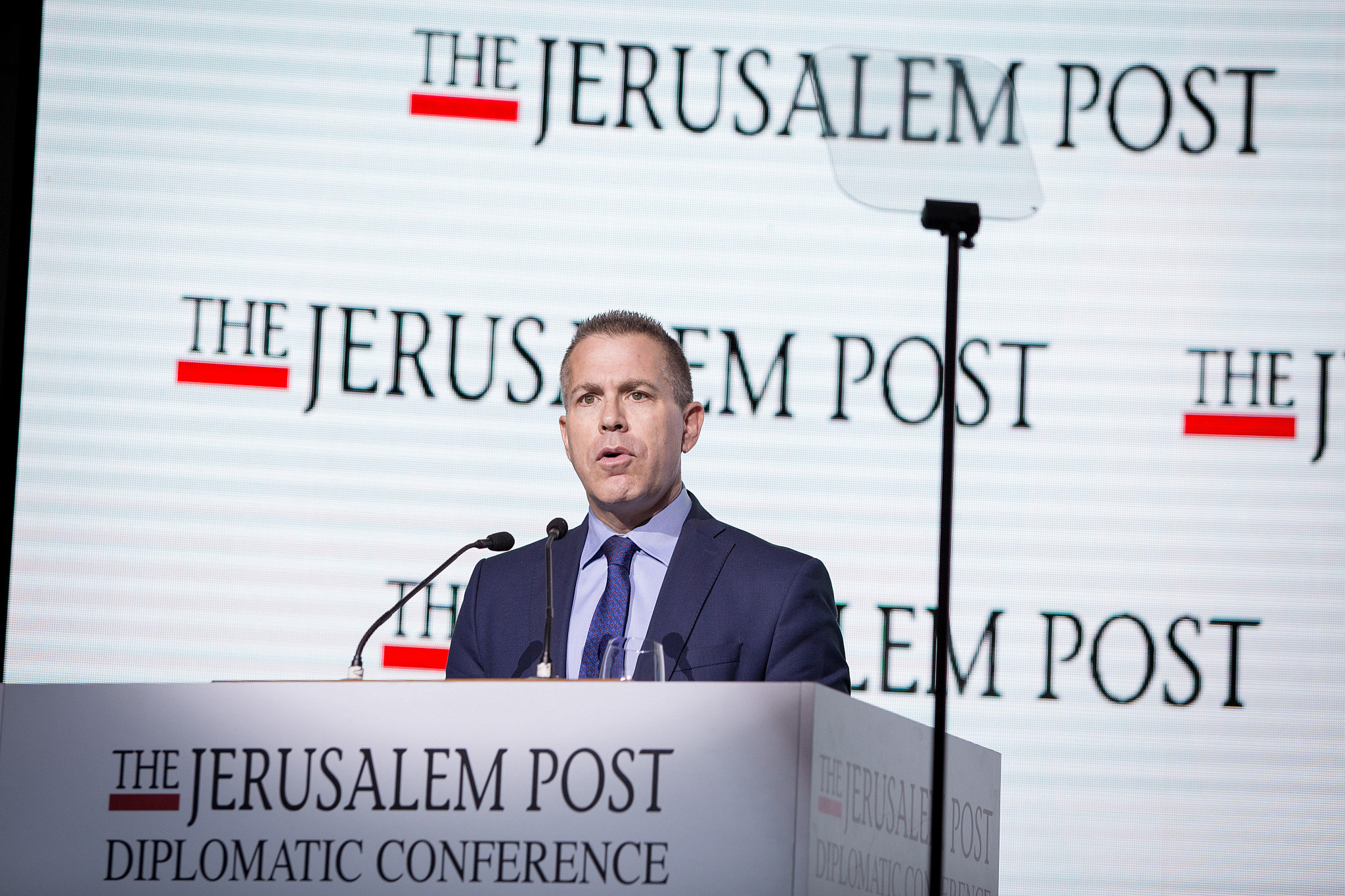
The Jerusalem Post is not just a news outlet; it’s also a convener of global thought leaders. Its annual conference in New York and other international events feature high-profile speakers including Israeli and U.S. officials, economists, military leaders, and global CEOs.
These events strengthen the brand’s connection to the Jewish diaspora and offer thought-provoking dialogues on the future of Israel and global Jewry.
Controversies and Criticisms
Like all major news outlets, the Jerusalem Post has not been without its share of controversy. Over the years, critics have accused it of bias, particularly on issues related to Palestinians and Iran. Editorial choices, headlines, and op-eds have sometimes sparked heated debate within Israeli society and among international readers.
However, the publication’s willingness to host dissenting opinions and to publish letters to the editor offers a channel for open dialogue and debate, which is a cornerstone of democratic journalism.
Global Reach and Influence
Readership Demographics
While headquartered in Jerusalem, the Jerusalem Post reaches a diverse international audience. Its primary readership comes from:
-
The United States and Canada
-
The United Kingdom and Europe
-
Israel
-
Australia and South Africa
These regions account for millions of monthly page views, and the newspaper’s email newsletters are among the most subscribed to in the Jewish news media space.
Educational and Institutional Use
Universities, think tanks, and diplomatic institutions often use the Jerusalem Post as a primary or secondary source for understanding Middle East policy, Jewish history, and current affairs. Its editorial analyses frequently appear in academic citations and government reports.
The Jerusalem Post in a Changing World
Navigating the Era of Misinformation
In a world where misinformation spreads rapidly online, especially on platforms like X (formerly Twitter) and Facebook, the Jerusalem Post remains a bastion of credible journalism. The newspaper has doubled down on its editorial standards, fact-checking processes, and responsible reporting, ensuring that it remains a trusted source for real news.
Future Goals and Vision
As it nears its 100th anniversary, the Jerusalem Post aims to continue its mission of serving the global Jewish community and informing the world about Israel and the Middle East. Plans are underway to expand multilingual offerings, strengthen its podcast and video news segments, and invest in AI-driven personalization for readers.
Conclusion: The Enduring Power of the Jerusalem Post
The Jerusalem Post stands as a symbol of journalistic endurance, intellectual integrity, and cultural bridge-building. Its journey from a small paper in Mandate Palestine to a globally respected news outlet mirrors the history of Israel itself: complex, dynamic, and constantly evolving.
For readers seeking nuanced, informed, and comprehensive coverage of Israel and Jewish global affairs, the Jerusalem Post remains an essential resource. Its blend of tradition and innovation ensures it will remain influential for decades to come.