
The National Basketball Association (NBA) is not only about slam dunks, buzzer-beaters, and championships—it is also about the thrilling movement of players between teams. Trades have always been a crucial part of shaping the league’s history. Every season, fans speculate about blockbuster moves, star player swaps, and how teams could restructure their rosters for better chances at winning a championship.
Amid this speculation, one tool has stood out as a fan favorite: the nba trade machine. This fascinating tool allows fans, analysts, and even aspiring general managers to simulate trades between NBA teams. But to use it effectively, it’s essential to understand how trades actually work in the league, the rules behind them, and why the trade machine has become such a vital resource in basketball culture.
Understanding the Basics of NBA Trades
Before diving into the world of simulations, let’s take a closer look at how trades really work. A trade occurs when two or more NBA teams agree to exchange players, draft picks, or other assets. These moves are designed to strengthen rosters, balance salaries, or prepare for the future.
The NBA has specific rules that must be followed for any trade to be valid:
-
Salary Matching Rules: Teams operating over the salary cap must ensure the salaries of the players involved are within a certain percentage range.
-
Draft Pick Limitations: Teams cannot trade their first-round draft picks in consecutive years (known as the “Stepien Rule”).
-
Contract Restrictions: Some players cannot be traded immediately after signing, while others have clauses protecting them from trades.
These rules make trade negotiations complex and strategic. That’s where a simulation tool like the nba trade machine becomes helpful—it accounts for these rules to give fans a realistic idea of what could or could not happen.
What is the NBA Trade Machine?
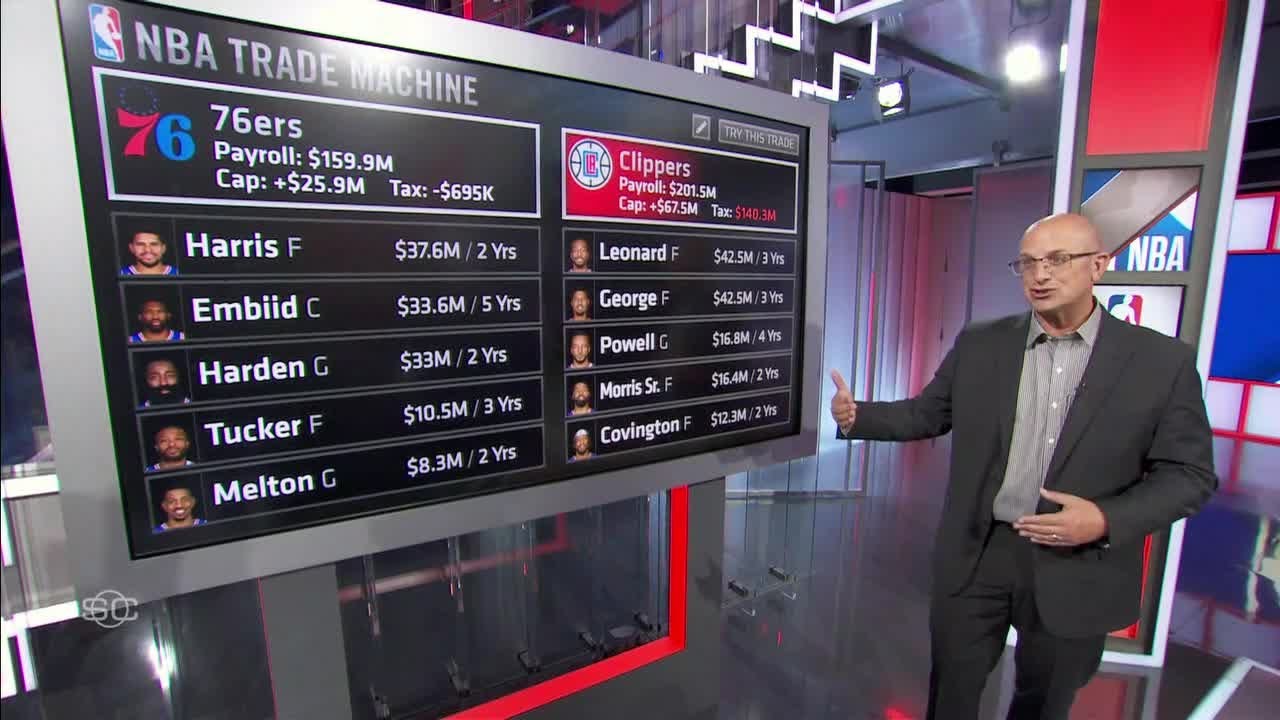
The nba trade machine is a digital tool that allows basketball enthusiasts to test hypothetical trades between NBA teams. By selecting players, draft picks, and teams, users can see whether a trade would be legally approved under NBA rules.
It doesn’t just stop at checking if the deal is valid. Many versions of the trade machine also analyze how the trade might impact team performance, win projections, and even player chemistry. For fans, this makes it not only an educational tool but also an entertaining way to imagine alternate realities in the NBA.
Why Fans Love the Trade Machine
NBA fans are some of the most passionate in sports, and the offseason trade period often becomes just as exciting as the games themselves. Here’s why the trade machine has become so popular:
-
Interactive Experience: Fans feel like real general managers, constructing trades to improve their favorite teams.
-
Speculation Made Realistic: The machine takes into account financial rules, preventing unrealistic trades.
-
Endless Scenarios: Whether it’s moving a superstar or testing out minor role-player swaps, the possibilities are limitless.
-
Engaging Community: Fans often share their trade ideas on forums, social media, and podcasts, sparking lively debates.
For many, the nba trade machine turns simple speculation into a fun, rule-based exercise that keeps discussions alive long after the season ends.
How to Use the NBA Trade Machine Effectively
Using this tool isn’t complicated, but maximizing its value requires some strategy. Here are steps to get started:
-
Choose Your Teams: Select the teams involved in the trade.
-
Pick Players and Assets: Add the players, contracts, and draft picks to be exchanged.
-
Check Salary Cap Rules: The trade machine will highlight if salaries don’t match.
-
Analyze the Outcome: Review whether the trade is accepted and what effect it has on each team’s future outlook.
Pro Tips for Better Results
-
Focus on realistic trades rather than fantasy scenarios.
-
Remember that team goals matter—some teams want to rebuild, while others want immediate championship contention.
-
Keep in mind player preferences, no-trade clauses, and team chemistry beyond just numbers.
Impact on NBA Fans and Media
The nba trade machine has become more than just a game—it is now a staple of basketball culture. Sports media outlets often feature trade scenarios generated by these tools, sparking heated debates among analysts.
-
On TV: Analysts use trade simulations to back up their predictions.
-
On Social Media: Fans share screenshots of trades, making them viral talking points.
-
For Content Creators: YouTubers and podcasters regularly run simulations to entertain their audiences.
In this way, the tool has helped make fans a more integral part of the league’s storytelling.
The Strategic Side of Trades
While fans use the trade machine for fun, real NBA executives must be strategic. A trade is not only about matching salaries—it’s about building a balanced roster, planning for the future, and considering financial consequences.
Common Trade Strategies:
-
Win-Now Trades: Teams give up future assets for immediate star power.
-
Rebuild Trades: Struggling teams trade veterans for draft picks and young players.
-
Salary Dumps: Teams trade away high salaries to create future cap space.
Fans who use the trade machine get a taste of these real strategies, gaining a deeper appreciation for the complexities of team building.
Limitations of the NBA Trade Machine
While the nba trade machine is an amazing tool, it has limitations. It cannot account for:
-
Player Emotions and Chemistry: Trades impact team morale, which no algorithm can measure.
-
Owner and GM Preferences: Some trades are blocked due to personal reasons or long-term visions.
-
Injuries and Market Value: A player’s current health and perceived value may alter real trade possibilities.
That’s why, while the tool is fun, it’s not always a perfect predictor of real-life trades.
The Evolution of Trade Simulations
When the trade machine was first introduced, it was mainly a calculator for salary rules. Over time, it has evolved into a sophisticated platform that incorporates analytics, win shares, and advanced metrics.
Future improvements may include:
-
AI-driven predictions of team success post-trade.
-
Real-time integration with live player statistics.
-
Interactive fan voting on simulated trades.
As technology evolves, the trade machine will only become more engaging and realistic.
Why the NBA Trade Machine Matters
At its core, this tool is about one thing: fan engagement. Basketball thrives not only because of what happens on the court but also because of the passionate conversations off it.
The trade machine bridges the gap between fans and the complexities of NBA front offices. It empowers everyday basketball lovers to think critically about trades, contracts, and team-building strategies.
Conclusion
The nba trade machine has become more than just an online simulator—it is a cultural phenomenon that connects fans to the heart of basketball’s business side. By allowing enthusiasts to explore trades, analyze rules, and spark debates, it enriches the overall NBA experience.
For anyone looking to dive deeper into the strategic side of the league, this tool is an indispensable resource. While it may not perfectly predict the next blockbuster trade, it gives fans the excitement of playing general manager, exploring endless scenarios, and understanding just how complex the NBA truly is.
In the end, basketball is not only about the games we watch—it’s also about the “what if” conversations that keep the sport alive year-round. And the trade machine ensures those conversations never stop.